Stretches after running, calves to hips
After a run or a long walk, your calves, thighs and hips have done most of the work. This cool-down gives each of them an unhurried, even stretch, starting standing and finishing on the floor.
Start with a free 5-minute stretchFree first, no account needed. Then Runner’s Recovery (10 min, guided by voice) and every routine with a 7-day free trial: card required, nothing charged before day 8.
Good for
- Cooling down after a run, jog or long walk
- Calves that feel tight on the stairs
- Weekend races and long training days
- An easy recovery day
Why a few slow minutes can help
Health services recommend cooling down after exercise and stretching the muscles you used while they are still warm. Calves, quads, hamstrings and hips get the most use when you run.
Stretching after a run is about feeling comfortable, not chasing range. Hold each stretch gently, breathe, and keep both sides even.
Runner’s Recovery
Calves, thighs and hips after a run or a long walk.
- 10 minutes
- 12 movements
- Chair + Wall
- Wall, Chair, Floor
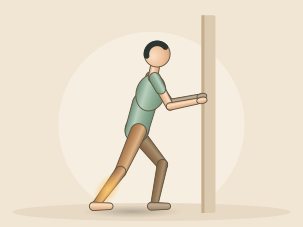
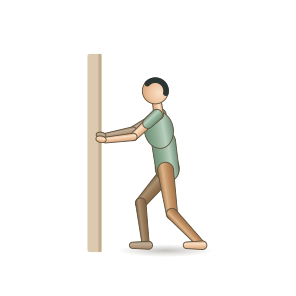
Wall calf stretch
Point both feet ahead. Keep the back heel down and back knee straight but not locked.
Easier: Shorten your stance and lean less.
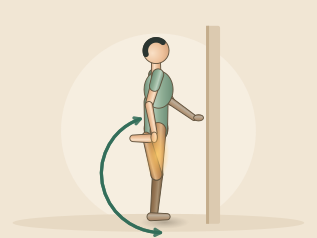
Supported quad stretch
If comfortably reachable, hold your left ankle and bring the heel a little toward your seat.
Easier: Do not force the reach. If you cannot hold your ankle comfortably, skip this stretch.
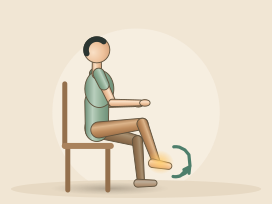
Seated ankle circles
Draw small, slow circles with your toes, moving at the ankle rather than swinging the whole leg.
Easier: Keep the heel lightly on the floor and trace a much smaller circle.
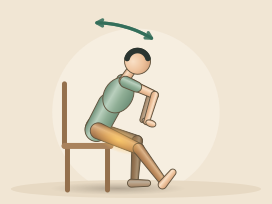
Seated hamstring stretch
Keep your right foot planted. With a long back, tip forward from your hips a little.
Easier: Bend the extended knee more and reduce the forward lean.
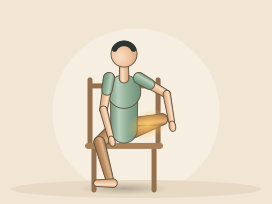
Seated figure-four
Keep your chest lifted. Hinge forward a little from your hips until you feel mild tension in your outer hip.
Easier: Stay upright without leaning. If crossing your leg hurts, skip this stretch.
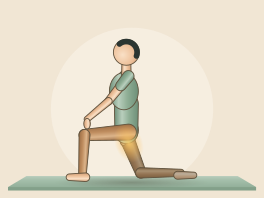
Half-kneeling hip release
Keep your ribs above your pelvis. Gently tuck your tailbone.
Easier: Take a smaller movement. Skip kneeling if it is uncomfortable for your knees.
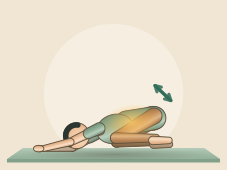
Child’s pose
Reach your hands forward and lower your chest only as far as comfortable.
Easier: Keep your hips above your heels and use a smaller reach. Skip if kneeling bothers your knees.
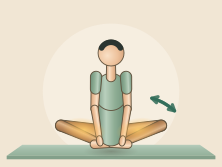
Butterfly sit
Hold your ankles lightly and let your knees rest open under their own weight.
Easier: Move your feet farther away. Skip if the position pinches your hips or knees.
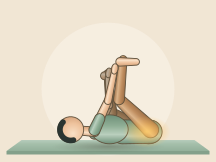
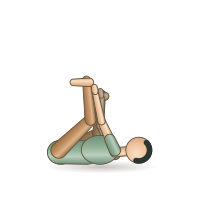
Happy baby
Hold the outside edges of your feet or your shins, soles of your feet toward the ceiling.
Easier: Hold behind your thighs instead of your feet if reaching them is uncomfortable. Skip if lying on your back is uncomfortable.
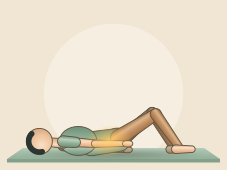
Gentle pelvic tilts
Gently tighten your lower belly to tip your pelvis and soften the space beneath your lower back.
Easier: Make the tilt barely visible. Stop if it increases back discomfort.
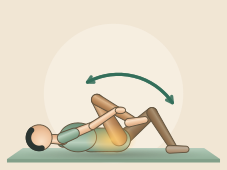
Single knee hug
Bring your left knee toward your chest, supporting behind the thigh with both hands.
Easier: Keep the knee farther away. Avoid this stretch if you have osteoporosis unless your clinician has cleared it.
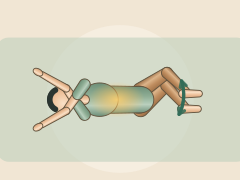
Lying knee rolls
Slowly lower both knees a short distance to the left, keeping both shoulders grounded.
Easier: Use a tiny movement. Skip twisting if it aggravates your back.
Tips for a comfortable session
- Walk for a few minutes first so you are not stretching straight from a sprint.
- Keep your back heel down in the calf stretch.
- Use a wall or fence for balance in the standing stretches.
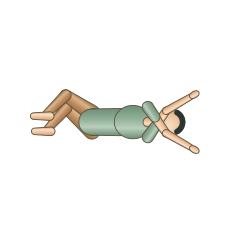
Post-Workout Cool-Down
Ease out of a workout, from shoulders to calves.
- 10 minutes
- 12 movements
- Chair + Wall
- Standing, Wall, Chair, Floor
- Slow shoulder circles30 s
- Standing chest opener30 s
- Cross-body shoulder stretch30 s each side
- Wall calf stretch30 s each side
- Supported quad stretch30 s each side
- Seated hamstring stretch30 s each side
- Seated figure-four30 s each side
- Half-kneeling hip release30 s each side
- Child’s pose30 s
- Butterfly sit30 s
- Single knee hug30 s each side
- Lying knee rolls30 s each side
After a Hike
Calves, thighs and hips after the trail.
- 10 minutes
- 7 movements
- Wall
- Wall, Standing, Floor
- Wall calf stretch1 min each side
- Bent-knee calf stretch1 min each side
- Supported quad stretch45 s each side
- Standing hamstring hinge45 s
- Standing outer-hip lean45 s each side
- Reclined figure-four45 s each side
- Happy baby45 s
Common questions
How long is the Runner’s Recovery routine?
10 minutes and 12 timed movements. Left and right sides get equal time, and a voice guides every change.
Do I need a mat or any equipment?
You need: chair + wall. Setups used: wall, chair, floor. The app can swap floor movements for chair or standing versions.
What does ReliefFlow cost?
Every plan starts with a 7-day free trial. A card is required to start it, and you pay nothing if you cancel before day 8. After that it is $5.99 a month or $49.99 a year, and you can cancel any time from Manage billing.
Is it safe if something already hurts?
ReliefFlow is general wellness guidance, not medical advice. Stretching is not a fix for a running injury. Sharp pain, swelling or pain that changes how you walk deserves a professional opinion. Stop if anything hurts, and talk to a health professional about pain that is sharp, radiating, new or does not ease.